

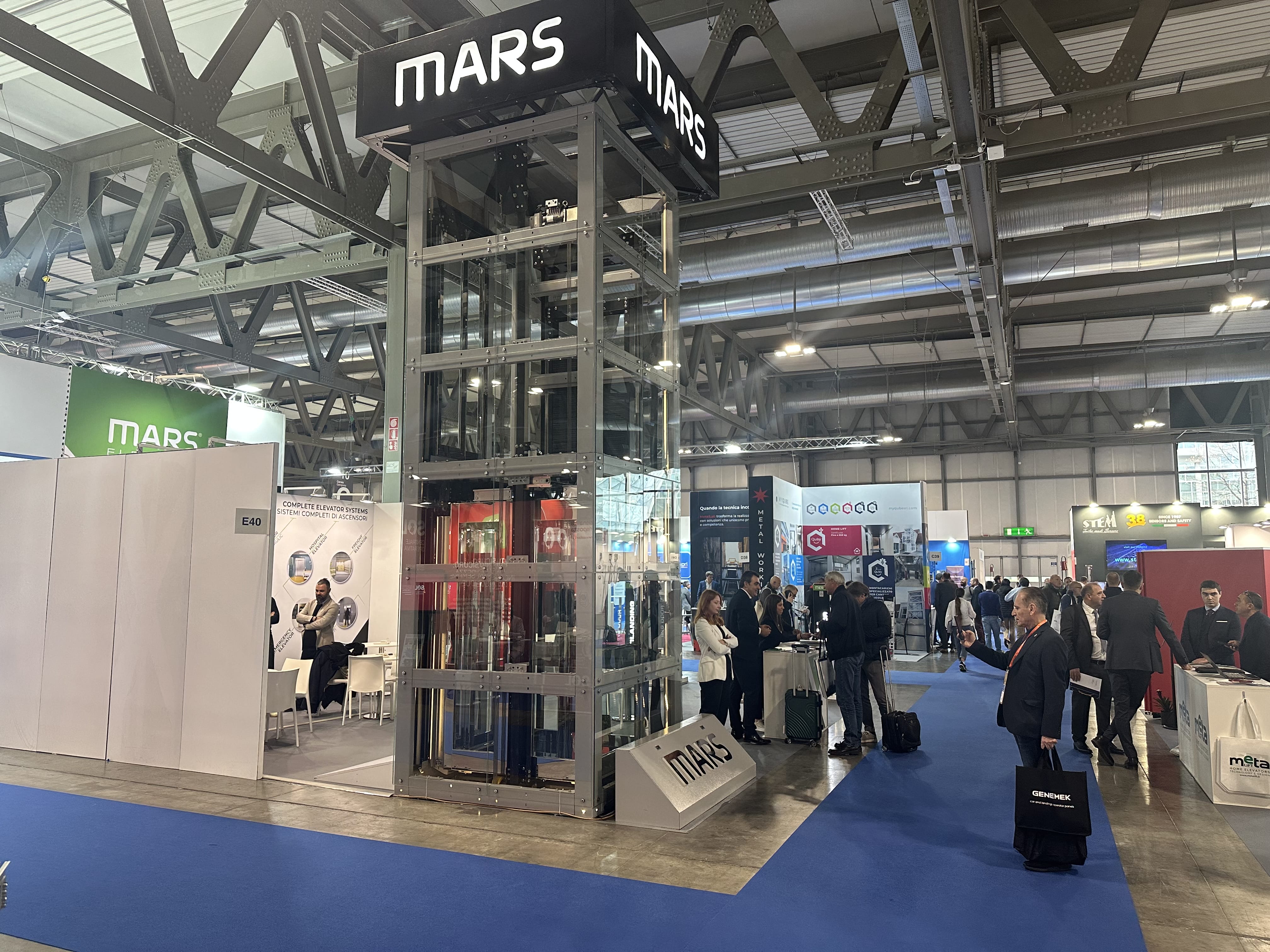
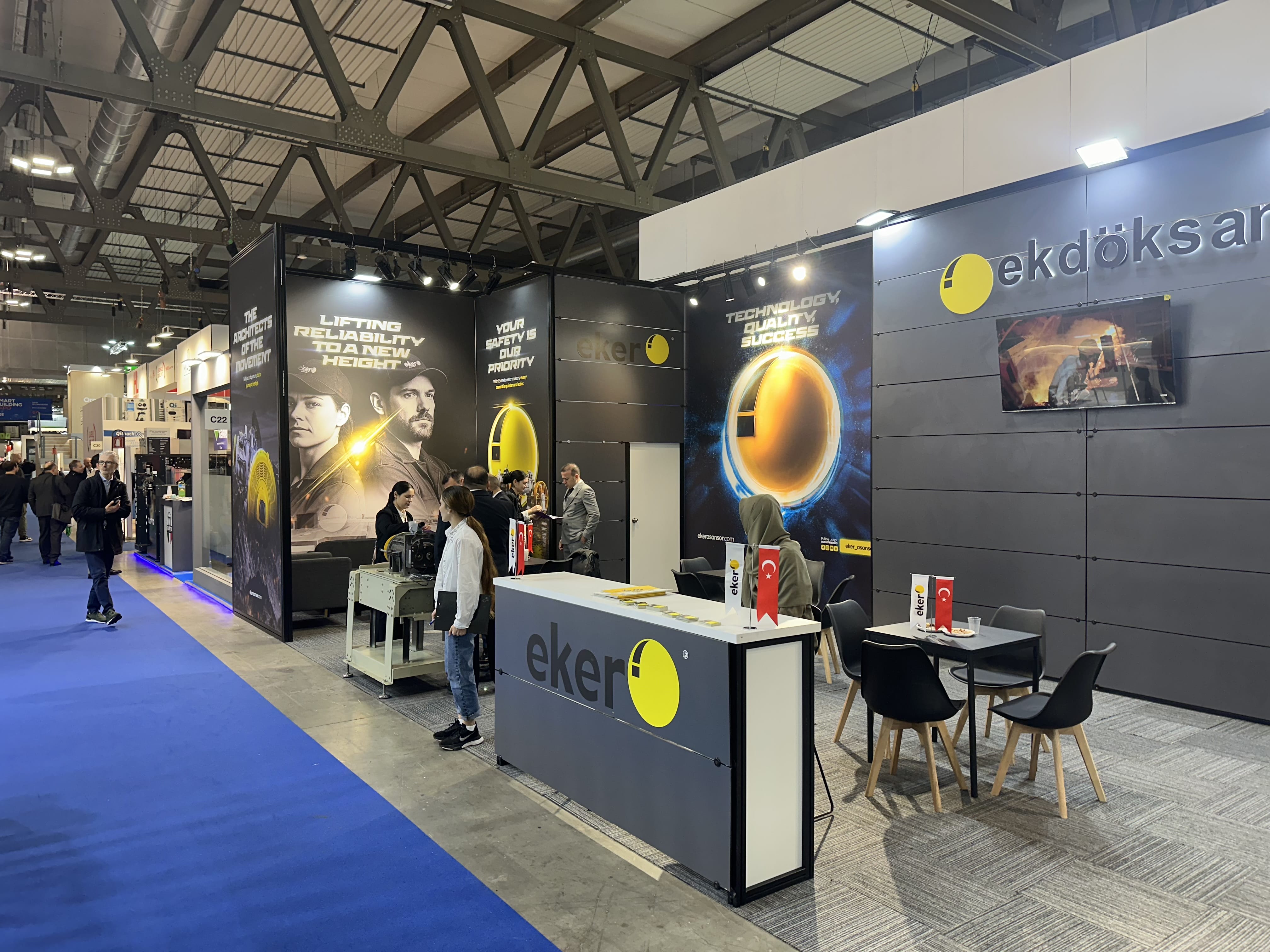

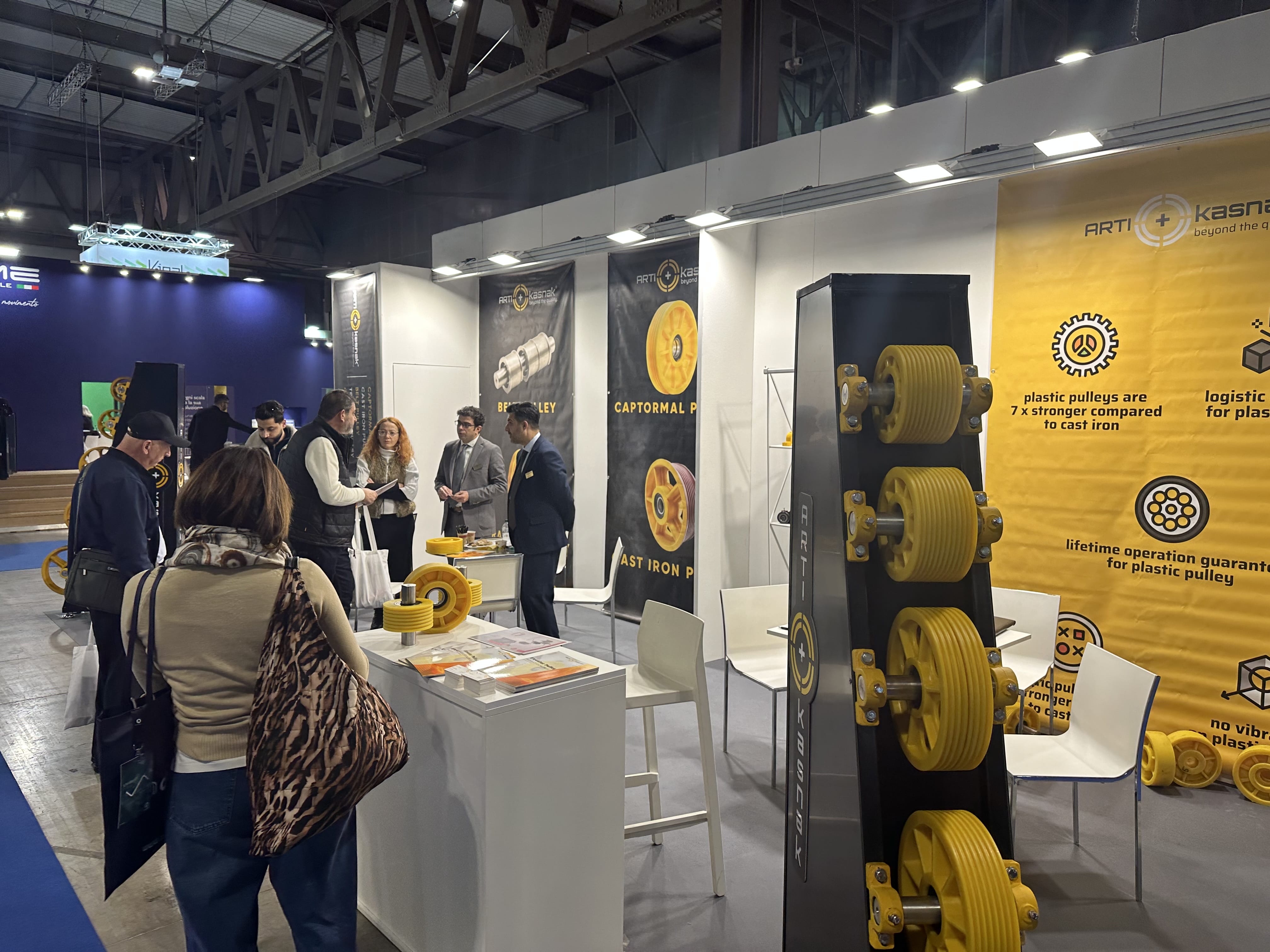
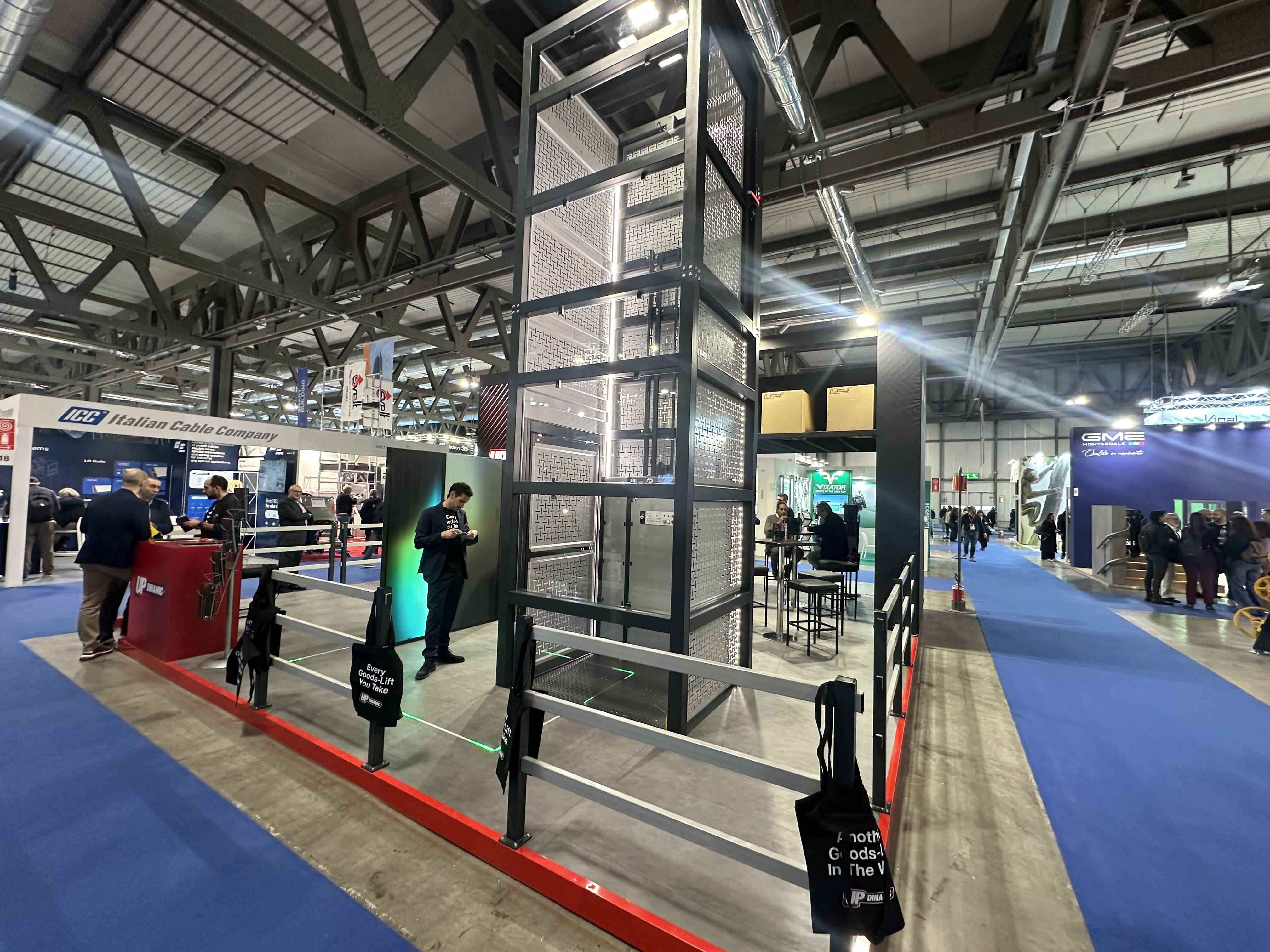
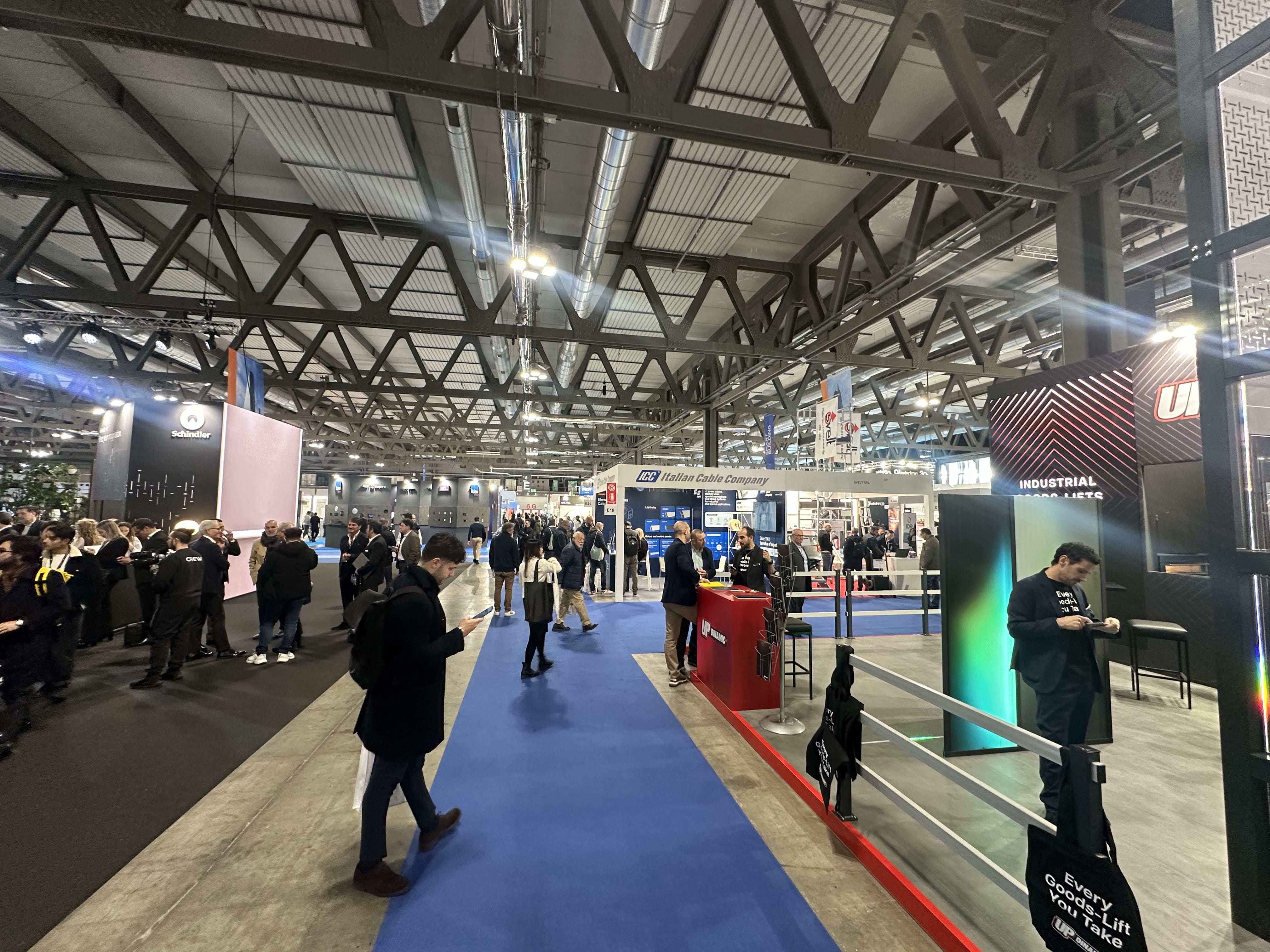
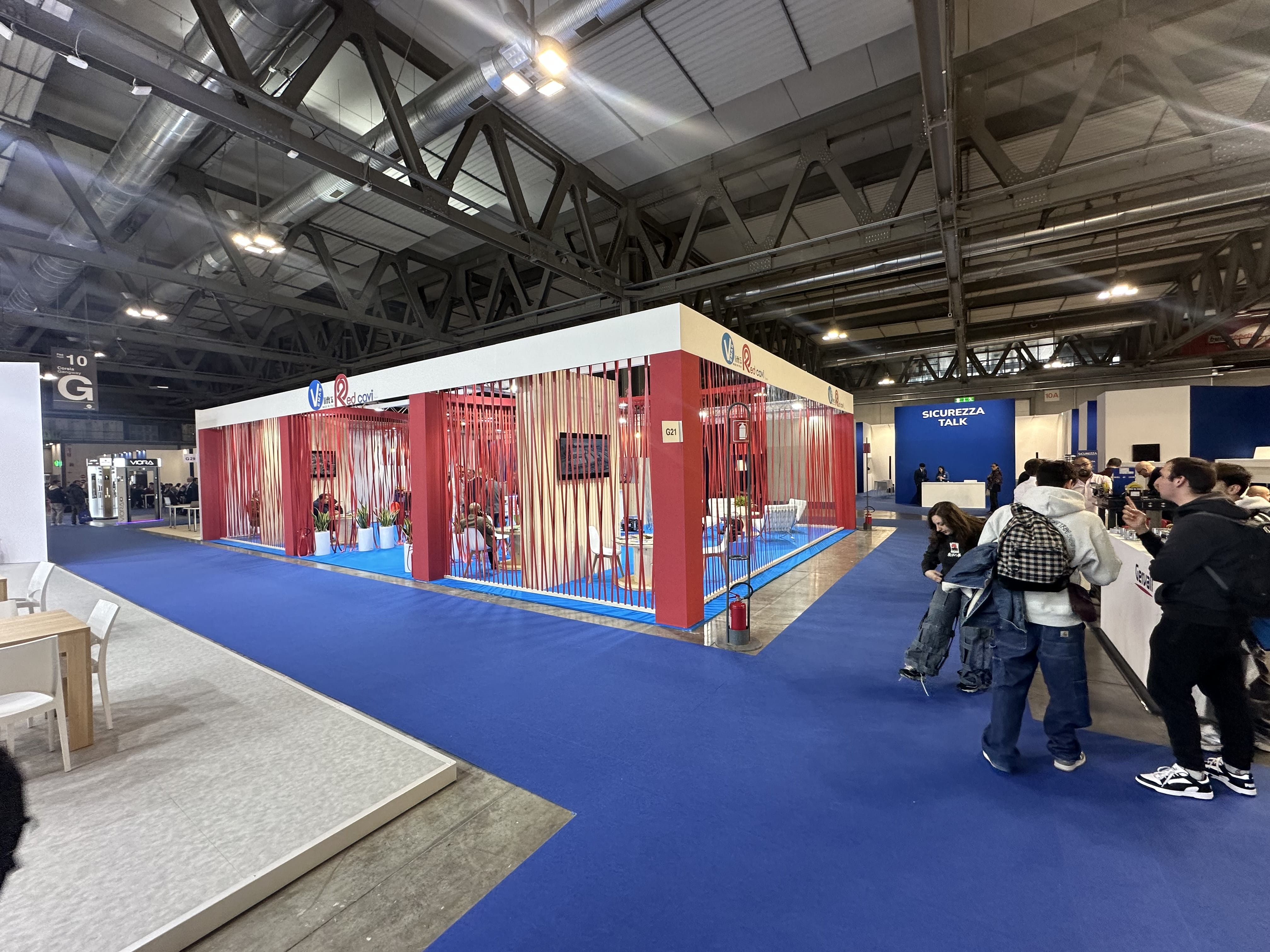
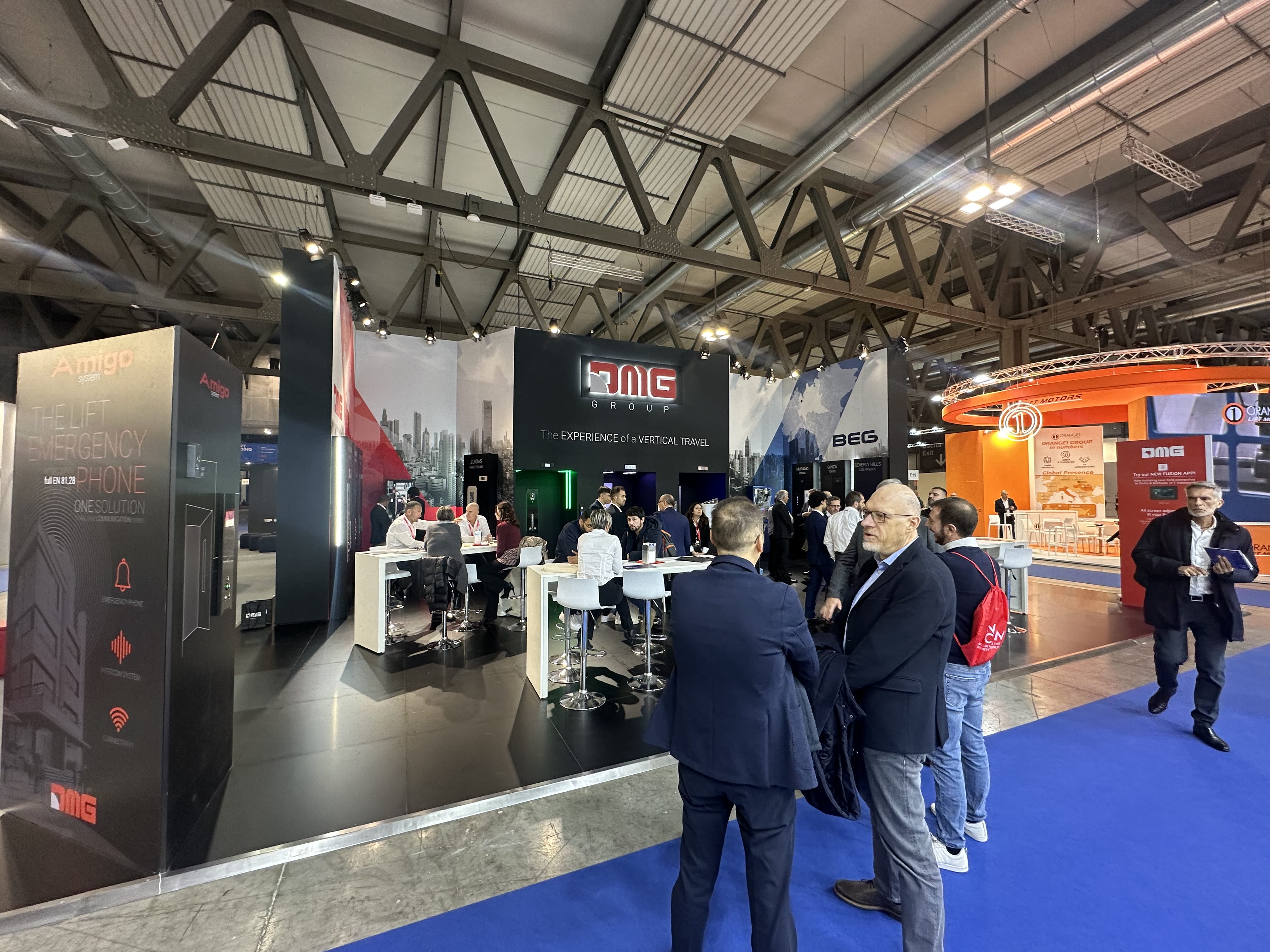
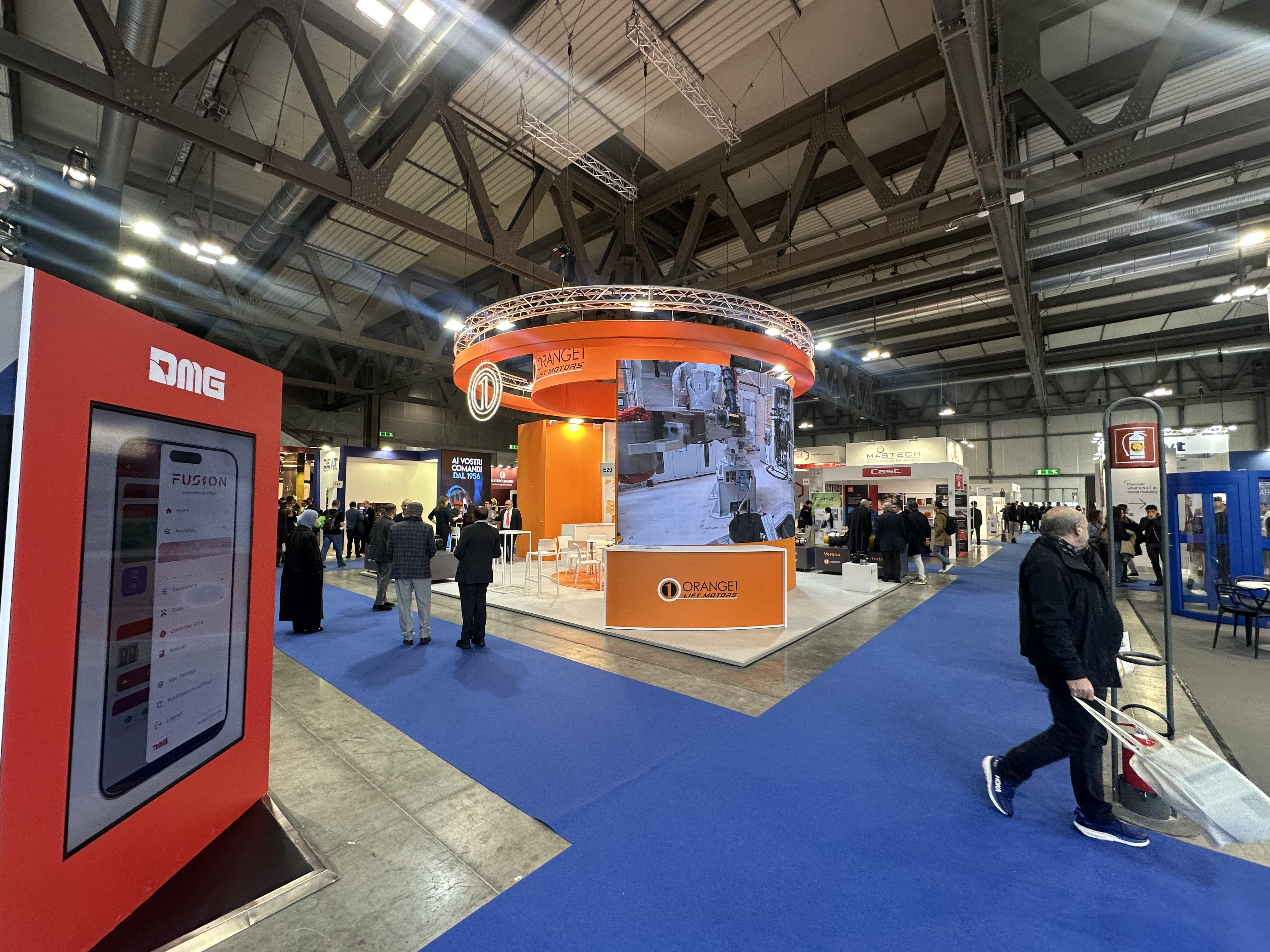
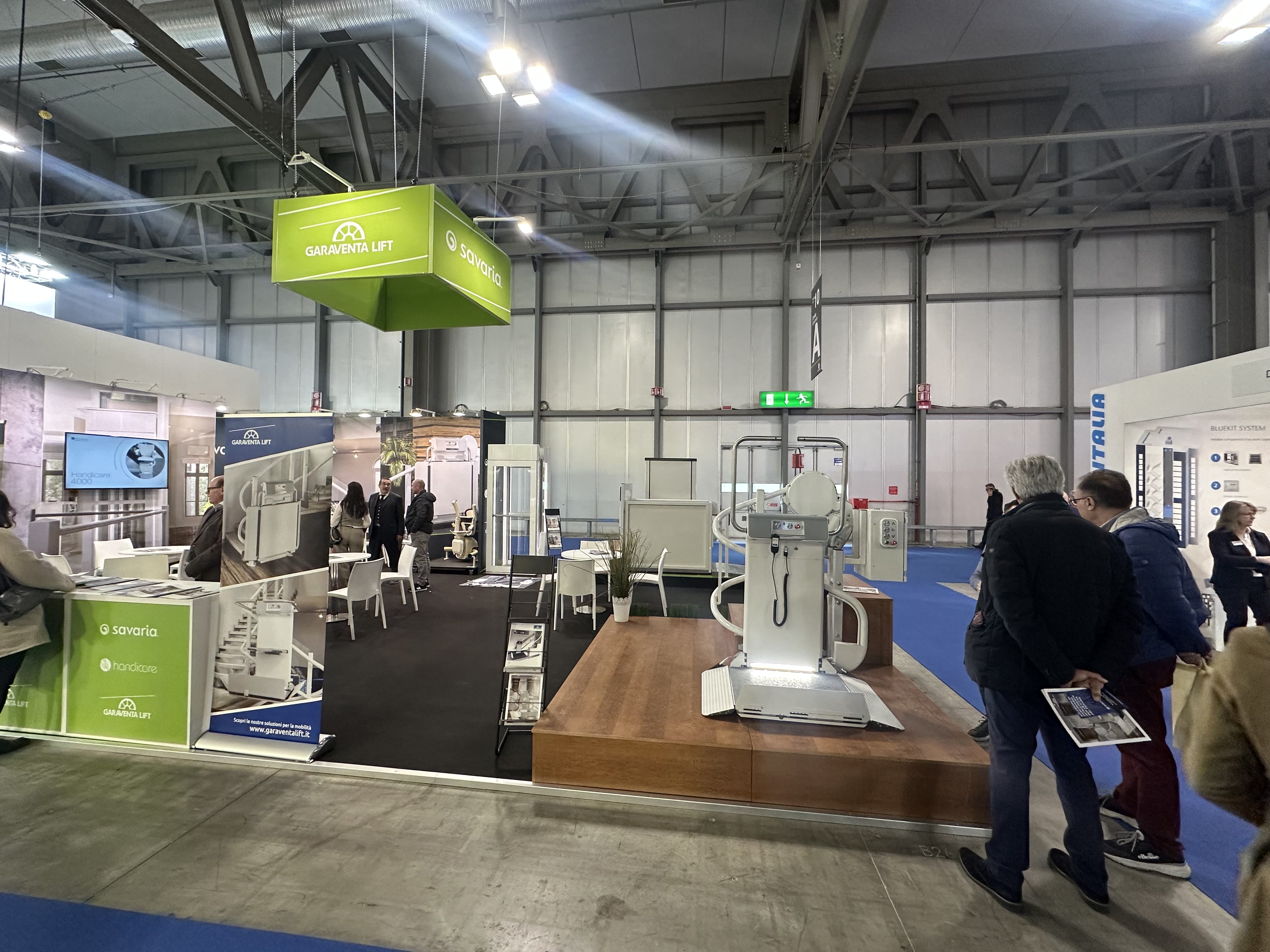
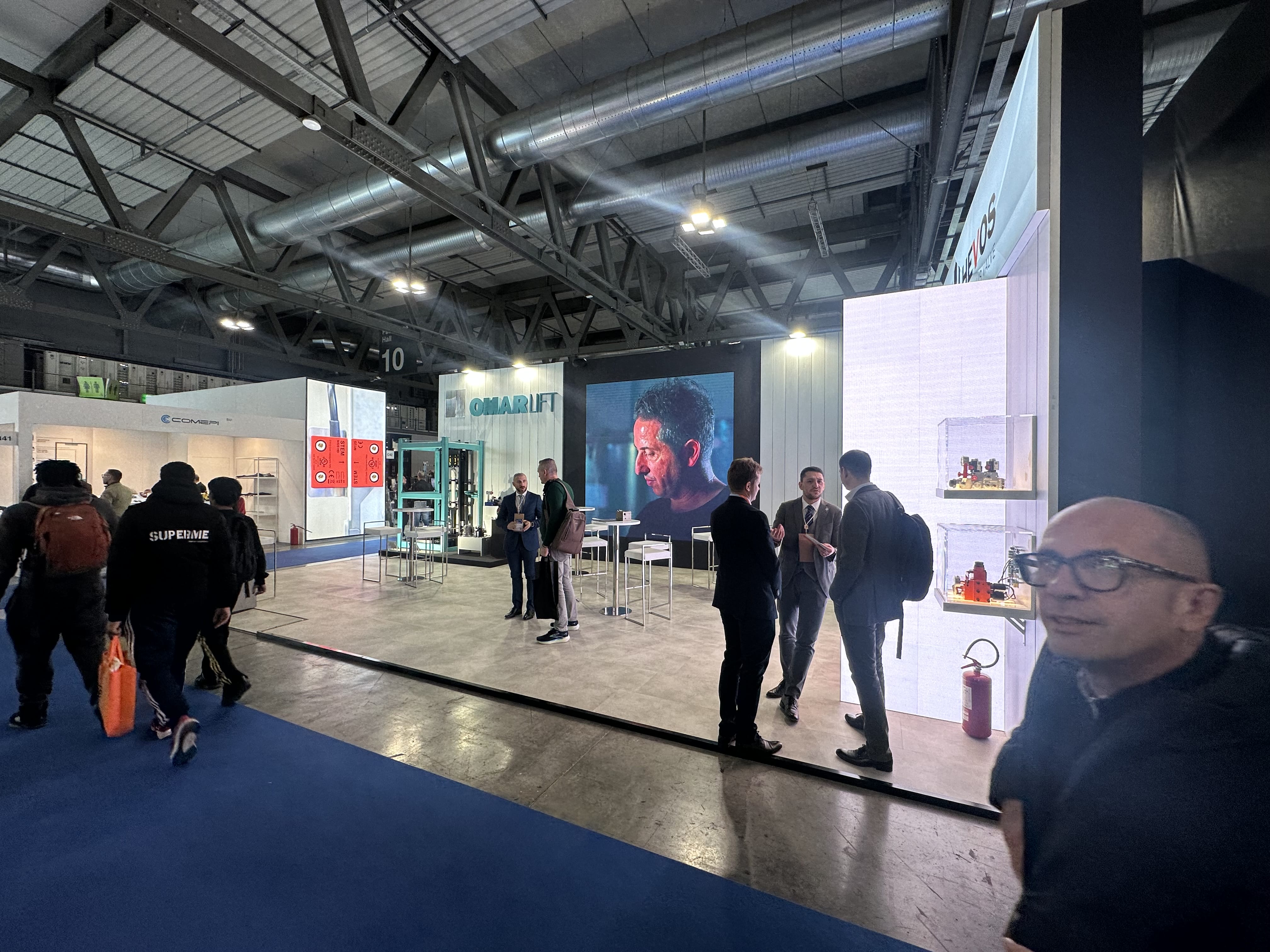
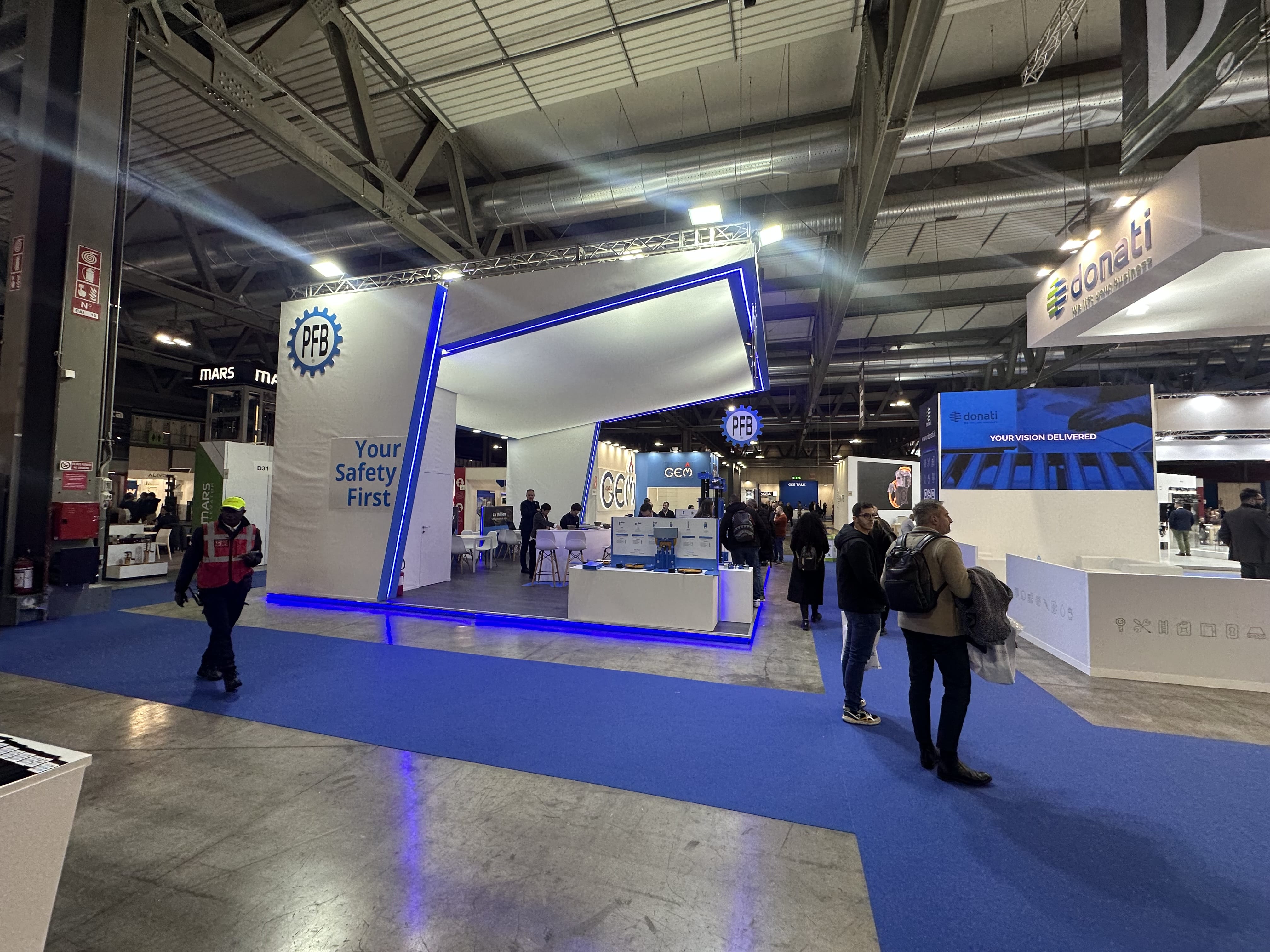
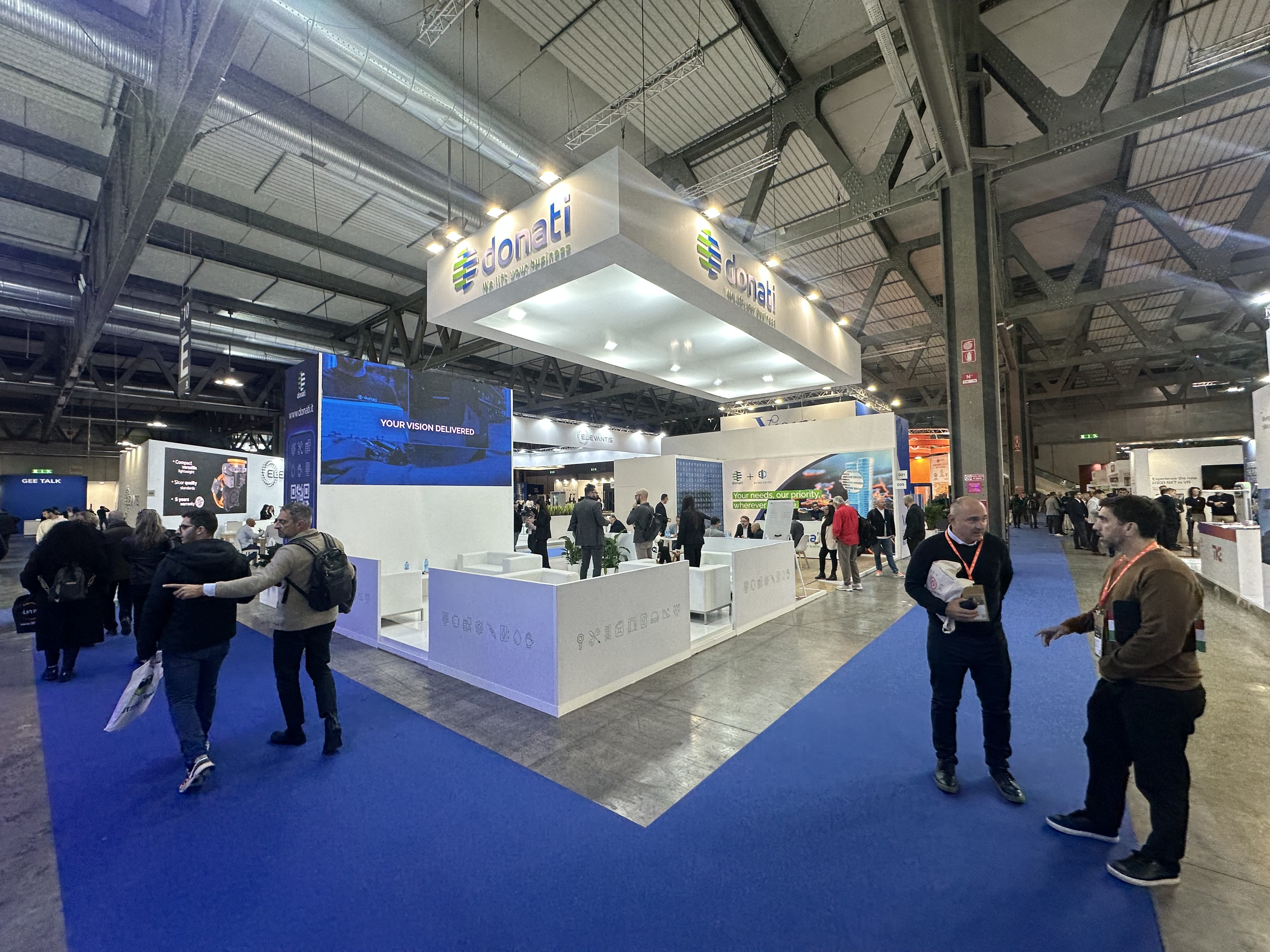
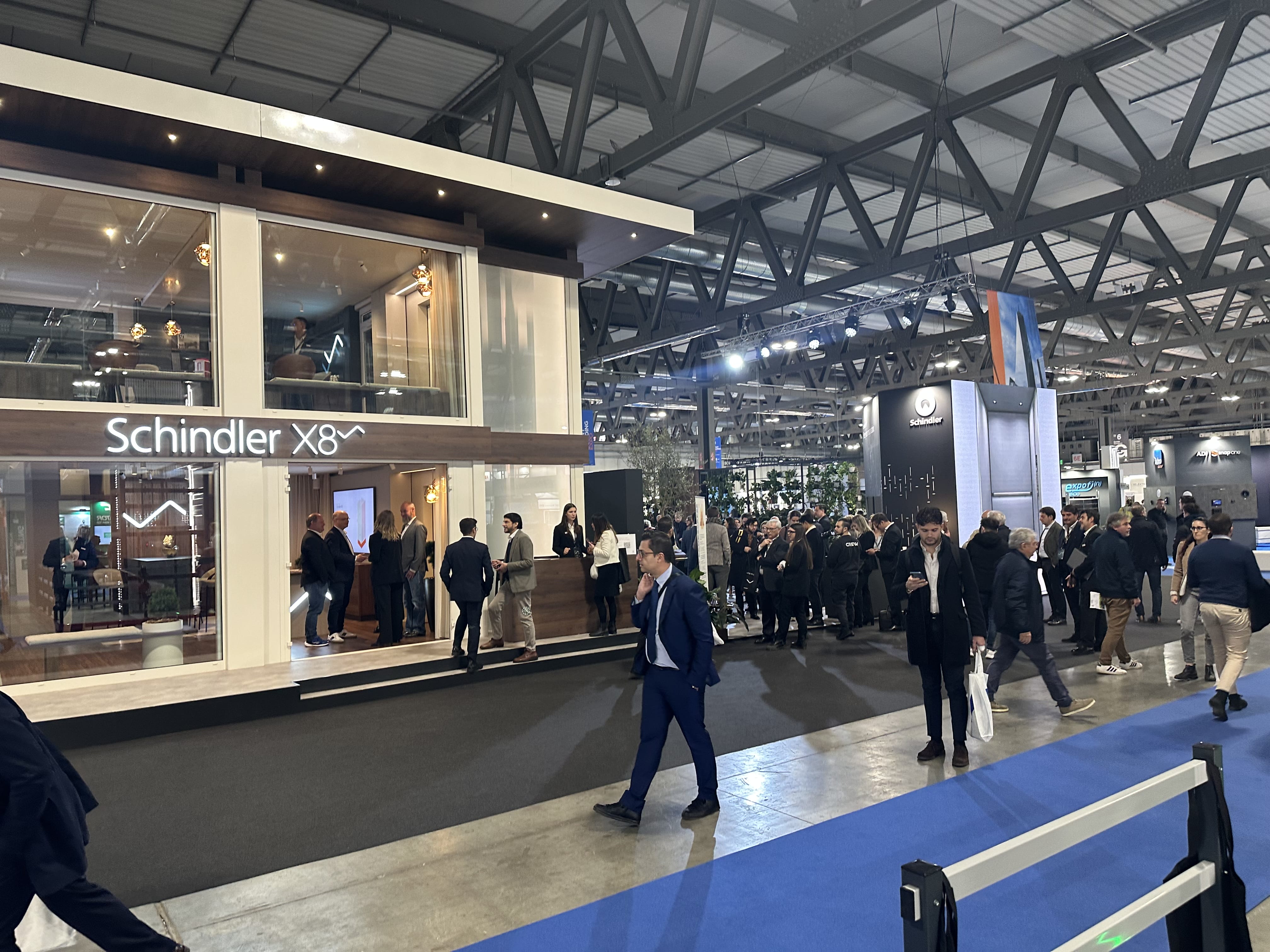
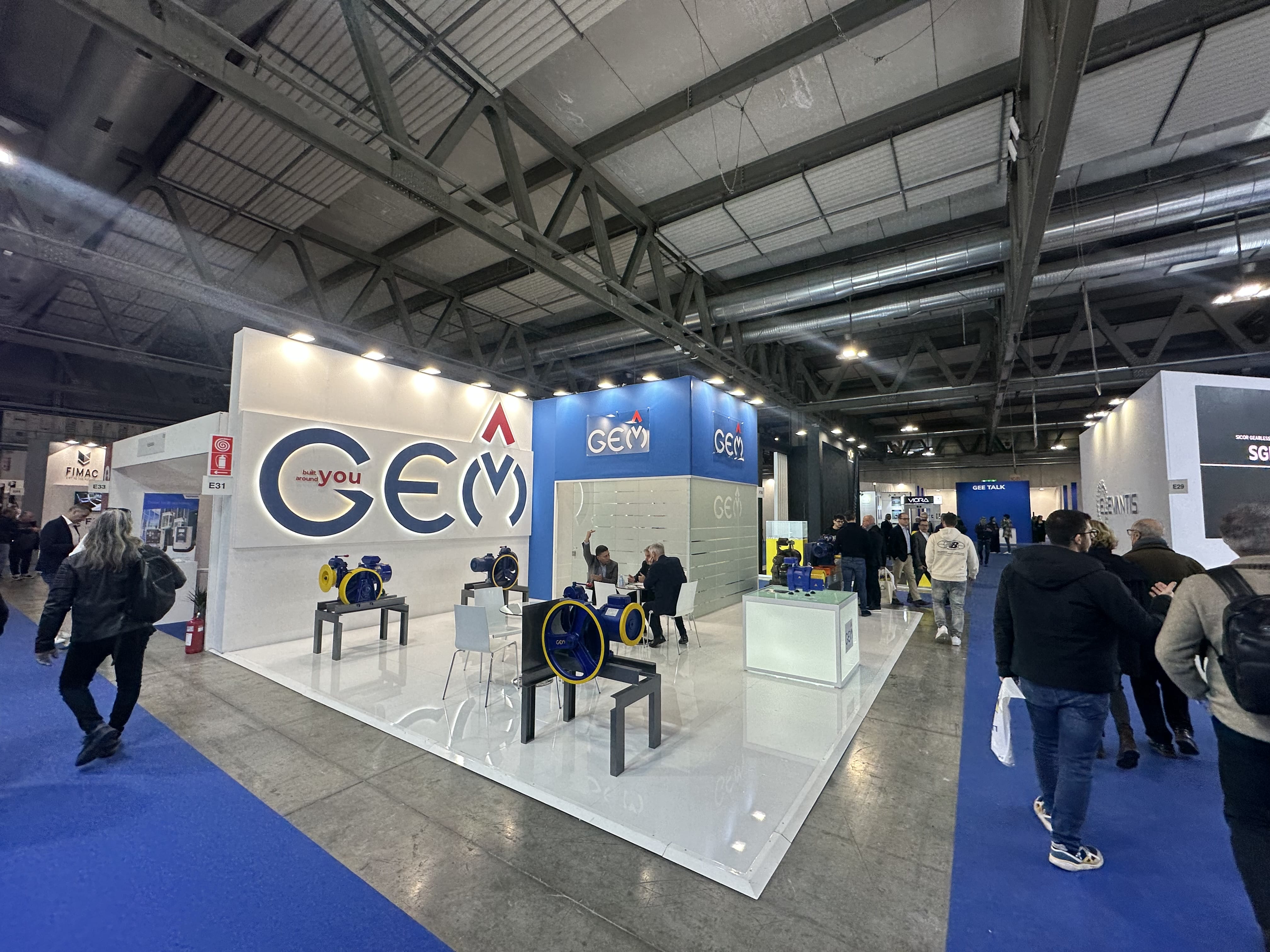
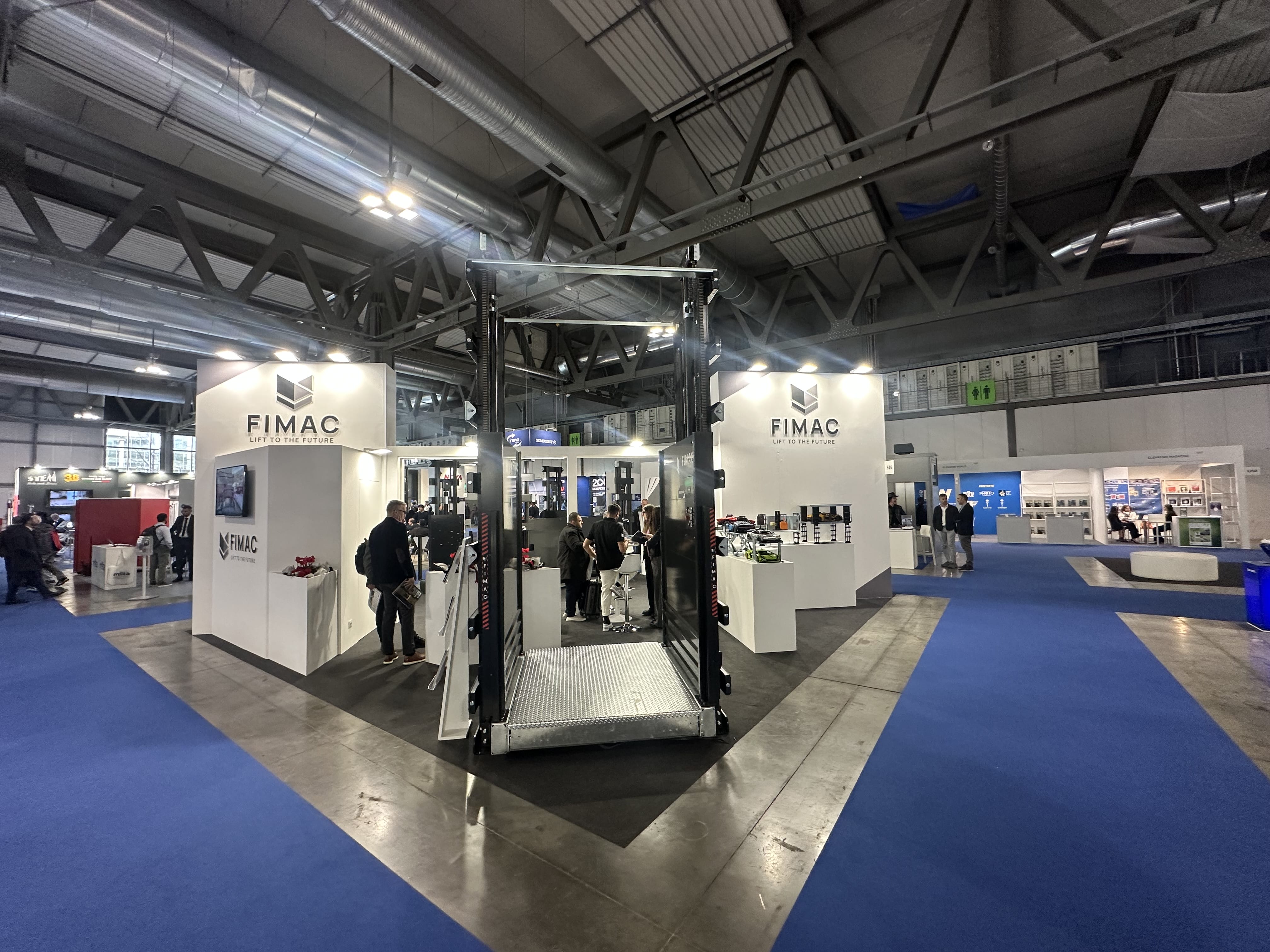
GEE 2025 Milano took place: The global stage for vertical and horizontal mobility was set at Fiera Milano
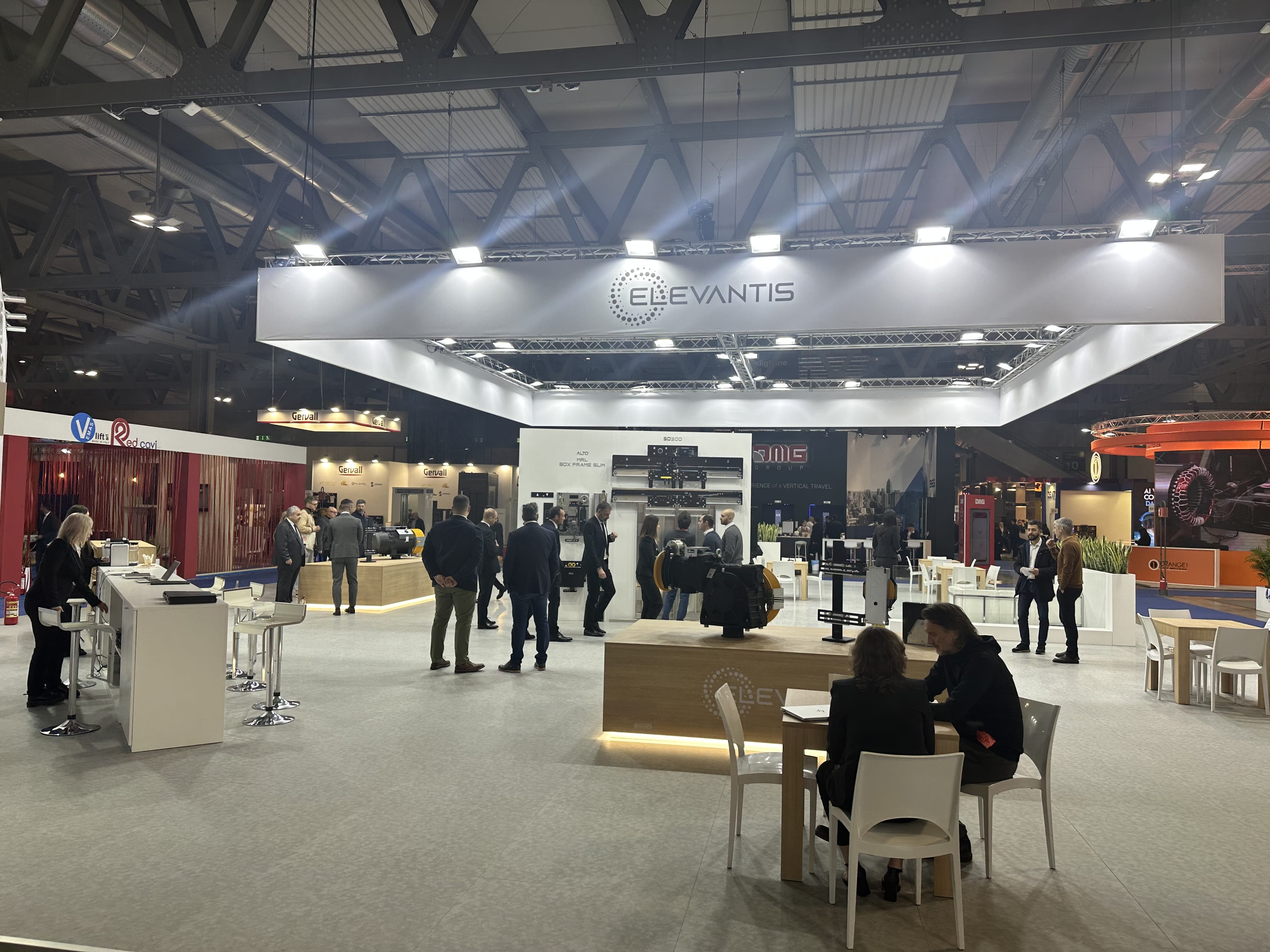
GEE – Global Elevator Exhibition 2025, held at Fiera Milano Rho from November 19 to 21, was completed with remarkable success, reaffirming its status as one of the world’s most comprehensive international platforms for the vertical and horizontal mobility industry. Bringing together an extensive range of solutions—from elevators and escalators to platform systems, façade access technologies, and smart building innovations—the event hosted more than 100 manufacturing companies, with 20% of all exhibitors representing foreign brands. Purchasing delegations from 24 countries, including the United States, South Africa, Brazil, Egypt, Poland, Qatar, the UAE, and Tunisia, traveled to Milan to establish new partnerships and evaluate the latest global advancements in the mobility sector.
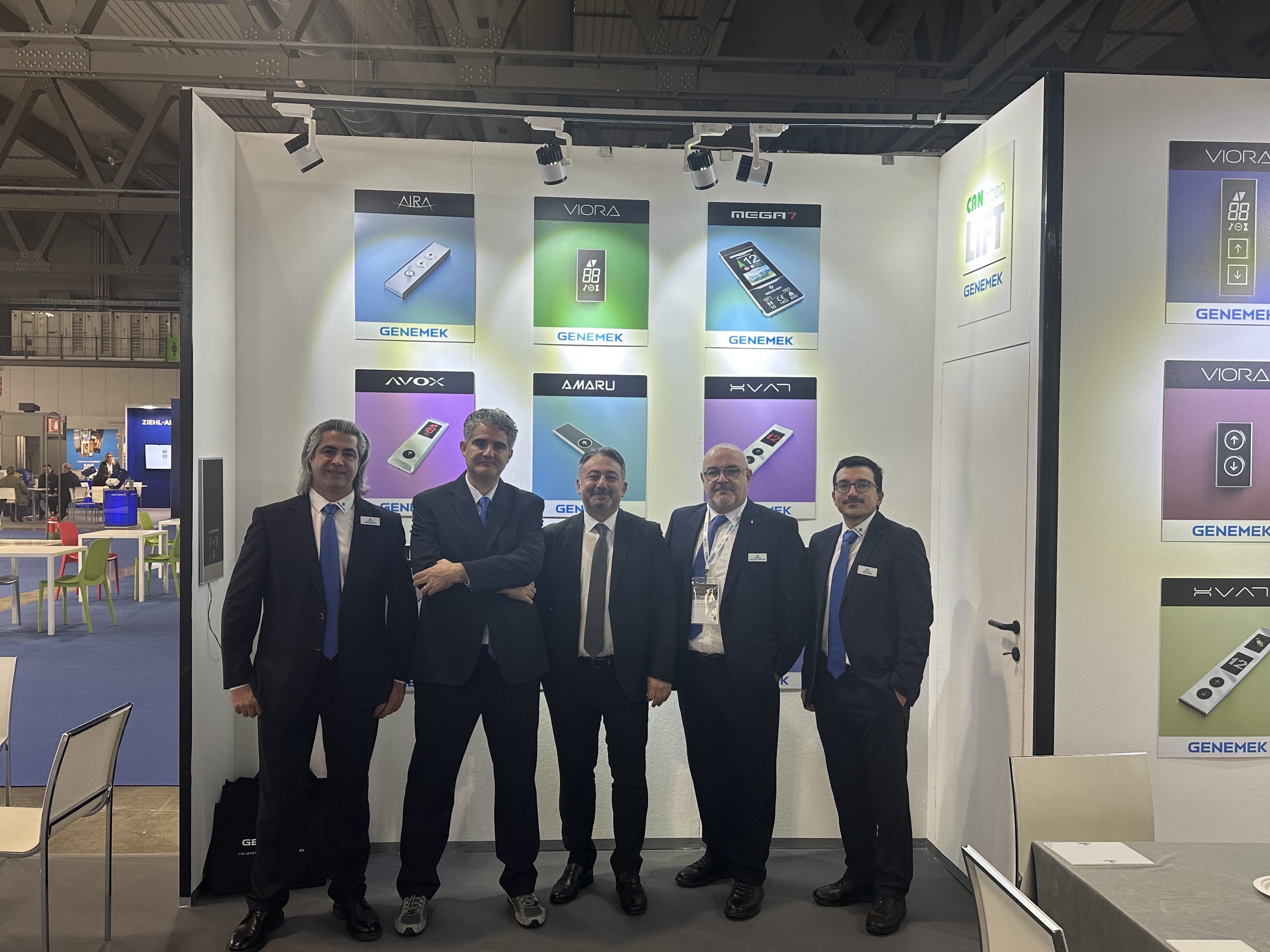
This year’s edition held particular significance due to the participation of several strong Turkish companies, including Artı Kasnak, Genemek, Eker Motor, and Mars Elevator, each of which presented their technological competence, design capability, and manufacturing strength on an international stage. Their presence strengthened Türkiye’s image as a competitive, innovative, and rapidly advancing production hub within the global elevator industry.
Organized by Fiera Milano under the umbrella of MIBA – Milan International Building Alliance, the exhibition took place simultaneously with MADE Expo, Smart Building Expo, and SICUREZZA. Together, these events formed a vast construction and building technologies ecosystem that extended across eight exhibition halls and hosted more than 1,250 companies. This large-scale integration positioned GEE not only as a trade event, but also as the central meeting point for cross-sectoral collaboration in building technologies, smart urban development, and architectural innovation.
At GEE 2025, three major themes stood out decisively as the forces shaping the future of elevator and escalator technology: energy efficiency, safety, and digitalization. The influence of the European Union’s Renovation Wave initiative and the EPBD IV directive, which accelerate building renovation processes across Europe, was visible in every segment of the exhibition. Manufacturers emphasized low-consumption motors, regenerative drive systems, lighter composite materials, and eco-responsive production processes. Safety remained another critical pillar, with attention focused on updated elevator compliance standards, new-generation maintenance technologies, and advanced early-warning systems that enhance long-term operational reliability. Meanwhile, digital transformation dominated discussions through AI-supported maintenance platforms, IoT sensor integrations, cloud-connected control systems, and data analytics embedded into cabin environments.
The exhibition’s official statement noted that these three focal themes reflect the technological and cultural direction envisioned by the European Commission’s New European Bauhaus initiative, which promotes sustainability, aesthetics, and innovation across the built environment.
Italy’s deep-rooted leadership in the industry was once again underlined. According to Anie-AssoAscensori, Italy hosts approximately one million active elevators, representing the largest elevator stock in Europe, while recording nearly 100 million trips every single day, positioning it among the busiest elevator markets worldwide. The country reached a domestic market value of 2.92 billion and export volumes of 1.1 billion in 2023, both of which contributed greatly to the strategic weight carried by GEE 2025.
Over the course of three days, the event hosted twelve specialized strategic sessions that explored the full spectrum of industry transformation. These sessions addressed modernization market dynamics, emerging motor technologies, efficiency-enhancing control units, and cost-effective modernization processes. Design presentations like Italdesign’s deep dive into next-generation home lift cabin aesthetics highlighted minimalistic forms, user-friendly smart accessories, and the evolving visual language of residential mobility. Global discussions covered the long-term outlook of vertical and horizontal mobility convergence, the post-2025 market landscape, and forward-looking predictions for 2030.
Technical development remained a core theme as well. Collaborative sessions with ANACAM examined updated regulatory frameworks for maintenance technicians, digital maintenance tools, safety protocols, and evolving certification standards. Industry-focused analyses led by Roland Berger revealed how modernization, energy efficiency, and global competition will shape the coming decade. Presentations on AI-powered diagnostics, predictive maintenance systems, and "elevator black box" technologies showcased how artificial intelligence is becoming central to operational reliability and data-driven service models. Further topics included zero-emission mobility strategies, sustainable construction materials, carbon-reduction systems, modular elevator structures, accessibility solutions for aging populations, and inclusive design for people with disabilities.
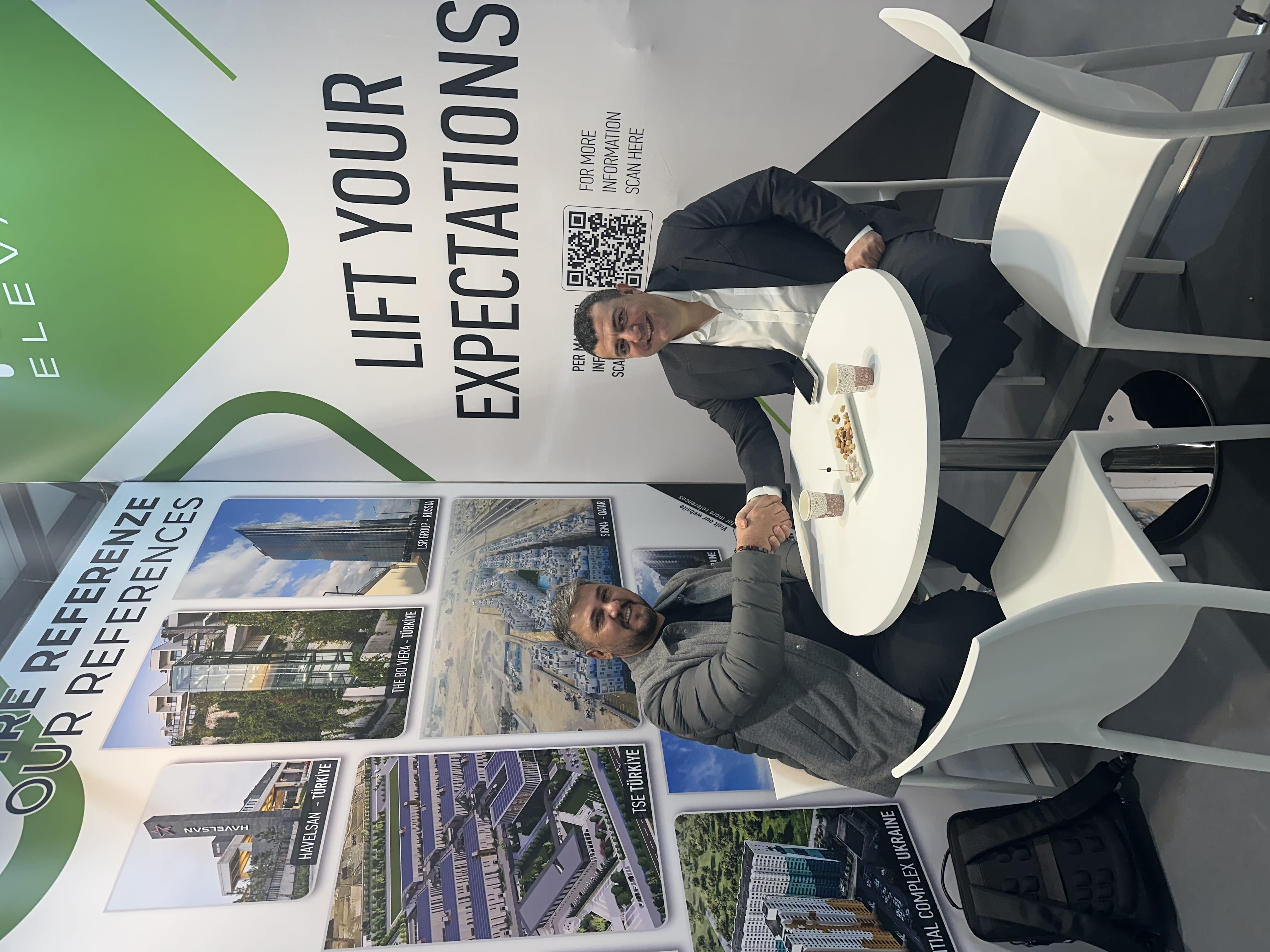
Throughout the event, Turkish companies—including Artı Kasnak, known for its superior pulley technologies; Genemek, recognized for its advanced electronic interfaces and innovative design approach; Eker Motor, presenting powerful and efficient drive systems; and Mars Elevator, showcasing its modern cabin concepts and durable mechanical solutions—attracted strong interest from global stakeholders. Their participation highlighted Türkiye’s rising competitiveness in manufacturing excellence, supply chain capability, and design-driven product development. In various international meetings, these companies held discussions with European, African, Asian, and Middle Eastern partners, further reinforcing their global market expansion strategies.
Overall, GEE 2025 successfully created a deep technical, academic, and commercial knowledge-sharing environment, uniting designers, engineers, manufacturers, maintenance experts, project managers, IFC specialists, building operators, and international investors. This year’s edition not only showcased innovative products but also shaped the strategic, technological, and architectural direction of the global mobility industry for the years ahead.